
How to Budget for a Bathroom Renovation Project

How to Budget for a Bathroom Renovation Project
By Robert Bukowiński

Renovating a bathroom can be an exciting yet daunting task. With so many decisions to make and costs to consider, it’s easy to feel overwhelmed. However, a well-planned budget can help you navigate this process smoothly. It ensures that your dream bathroom becomes a reality without breaking the bank. In this guide, we will explore how to budget effectively for a bathroom renovation project, covering everything from initial planning to the final touches.
Understanding the Costs Involved
Before diving into the budgeting process, it’s essential to understand the various expenses associated with a bathroom renovation. For an accurate estimate, we break these down into five main cost categories:
1. Construction & Structural Materials
This includes the hidden materials used to build the structural foundation of your bathroom and run the electrical, water, and drain lines. These materials leave the space in a secure, raw state—preventing water leaks and incorporating proper waterproofing membranes and insulation. This phase runs right up until the "finishing mode" begins, where you select the visible design elements.
Because structural materials are purchased entirely by the contracting company, this part of your quote is based directly on the initial renovation design and the specific layout requirements.
• Average Cost: Structural and rough-in materials for a full bathroom renovation in Ontario typically range from $1,500 to $5,500.
2. Finishing Materials, Fixtures, & Cabinetry
The visible design elements have the most significant impact on your esthetic and your wallet. You will need to budget.
• Tiles: Floor and wall tiles vary widely. Standard ceramic or porcelain tiles cost around $3 to $15 per square foot, while premium large-format slabs or natural stone can range from $15 to $50+ per square foot.
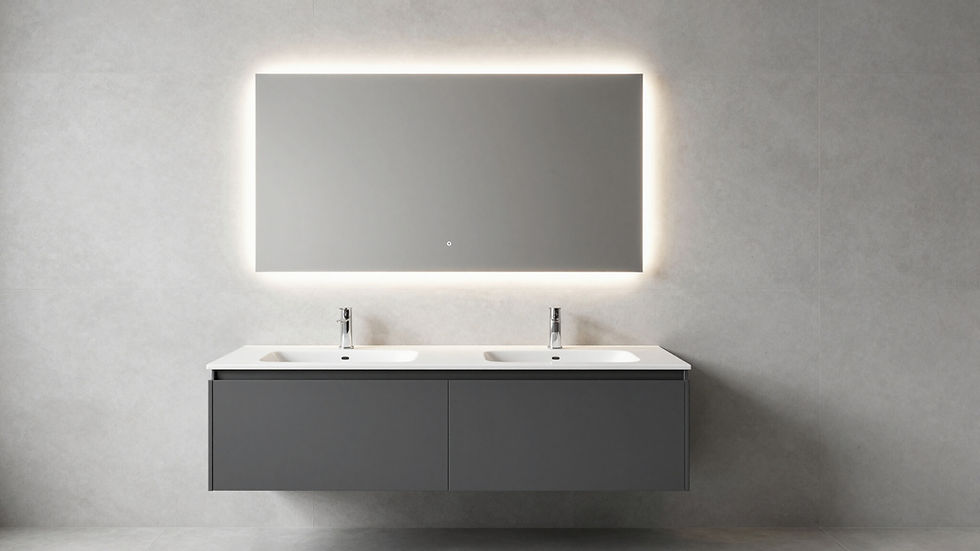
Fixtures: This includes sinks, toilets, bathtubs, and faucets. A standard toilet runs between $150 and $600, a quality vanity ranges from $500 to $2,500, and a high-end bathtub or custom glass enclosure can cost $1,500 to $4,000+.
3. Skilled Labor
Labour typically makes up 40% to 60% of a bathroom renovation budget in the GTA due to the density of the work. Generally, skilled trade labor rates in Ontario range from $75 to $150+ per hour.
Plumbing: Hiring a licensed plumber for rough-ins or fixture installation costs between $80 and $180 per hour.
• Electrical Work: Bringing wiring up to the modern Ontario Electrical Safety Code (ESC) runs around $80 to $180 per hour.
• General Contractor: If you hire a professional to manage the entire project, they typically charge a management fee of 10% to 20% of the total project cost.
4. Permits and Inspections
Depending on your local municipality (such as Toronto, Mississauga, or surrounding GTA areas) and the scope of structural or plumbing changes, you may need a building permit
Average Cost: Municipal permit applications and associated architectural drawings typically range from $250 to $1,000+, depending on the complexity.
5. Waste Removal and Disposal
Disposing of old tile, drywall, and heavy fixtures requires a proper disposal strategy. This quote is calculated based on the project size, whether a dedicated dumpster container is needed, and municipal sorting or drop-off fees.
• Average Cost: Trash disposal and container rentals usually run between $350 and $800.
Setting a Realistic Budget
When quoting a bathroom, we must respect how much utility is packed into such a small room compared to the rest of the house. Every square inch must be adapted to how your family functions. For context, a standard full bathroom gut-and-replace renovation in the GTA typically averages between $15,000 and $25,000, while larger primary ensuites with custom finishes often range from $35,000 to $55,000+.
At Noble Bathrooms & Renovations, we utilize an internal transparent pricing system. This dynamic process allows you to accept a foundational quote while leaving clear room to maneuver, adjust fixtures, or make design changes as the project unfolds.
To build your baseline budget, follow these three steps:
1. Determine Your Overall Investment: A great rule of thumb is to allocate 5% to 10% of your home’s overall value for a bathroom remodel. Given average GTA home valuations, this aligns with a high-quality, long-lasting transformation.
2. Prioritize Needs vs. Wants: Separate your absolute necessities from your luxury upgrades. If your current layout works, keeping the plumbing fixtures in their original location can save you anywhere from $3,000 to $8,000 in rough-in labor alone.
3. Secure a Contingency Fund: Unforeseen issues hide behind old walls. In Ontario's older housing stock, subfloor rot and historical leaks are common. Set aside a mandatory safety net of 10% to 20% of your total budget to handle surprises comfortably.
Finding the Right Professionals
Do you really need 3 to 4 quotes when looking for a home renovation contractor? The short answer is: yes and no. It is a nuanced issue, and the modern digital landscape suggests the old rules are changing.
Today, pricing information is widely available online. Most homeowners already have a clear sense of costs because legitimate renovation companies detail their pricing and services right on their websites. Furthermore, these businesses are continuously reviewed and monitored—not just by the platforms hosting them, but by Google itself.
To find a truly reliable partner, look for concrete proof of legitimacy. A genuine business will always have an official company registration extract, an established trade name, and a clear link to the owner's legal identity, ensuring full tax compliance and accountability. Additionally, a reputable contractor can provide an insurance certificate tailored specifically to your project and address. This paperwork alone gives you the peace of mind that a company is worth short listing.
Beyond legal compliance, your second line of defence is assessing workmanship. This means diving into their portfolio. You can verify everything online: view high-resolution photos of past projects, read detailed reviews, and check client testimonials.
Third, consider transparency in pricing. A trustworthy company will offer a clear, honest breakdown, allowing you to evaluate the proposal fairly. However, agreeing to a contract goes beyond just the numbers. Successful project management relies heavily on strong communication and a mutual respect for your property. Direct, seamless contact between you and the project manager is absolutely crucial.
So, why rethink the traditional route of gathering endless quotes? Because it saves you time. Relying on middleman websites that promise to match you with 3 or 4 contractors often traps homeowners in an artificially generated loop of spam and misinformation. It is exhausting and frequently sends people back to square one.
Instead, the solution is beautifully simple: look for a local professional, verify their credentials and track record independently, and choose the one that aligns with your specific needs. Taking this targeted approach can make all the difference. Once you find them, review the contract carefully to ensure timelines, payment schedules, and structural warranties are clearly defined before signing.
Choosing the Right Materials
Selecting materials requires balancing style with long-term functionality. Keep these core parameters in mind:
Prioritize Durability: Bathrooms are high-moisture zones. Opt for materials designed to handle humidity and water exposure, such as porcelain tiles, solid acrylic or fiberglass tubs, and specialized moisture-resistant paint.
Factor in Maintenance: Some premium materials require heavy upkeep. Natural stone tiles look stunning but require regular sealing to prevent staining, whereas porcelain and ceramic tiles are nearly effortless to clean.
Design Within Your Means: If a luxury material threatens to break your budget, look for high-fidelity alternatives. Advanced porcelain tiles can mimic the exact grain and beauty of natural marble or slate at a fraction of the cost.
Planning for the Unexpected
Even with airtight planning, remodelling a bathroom involves opening up walls and floors. Be mentally and financially prepared for these common scenarios:
Hidden Water Damage: Slow, historical leaks behind old tile or under subfloors often expose rotted wood. This is exactly why your contingency fund exists.
Outdated Infrastructure: Older homes across Ontario often hide outdated galvanized plumbing or hazardous vintage electrical wiring. Bringing these up to modern building codes adds unexpected costs but guarantees your home's safety.
Supply Chain Delays: Materials can occasionally face shipping delays. Order your fixtures, tiles, and vanities well in advance so they are safely on-site before demolition begins.
Final Touches and Accessories
Once the heavy lifting is complete, you can elevate the space with thoughtful accessories:
• Layered Lighting: Move beyond a single overhead bulb. Combine general overhead pot lights with stylish wall sconces beside or above the mirror for flawless task lighting.
• Smart Storage: Keep a small footprint organized using floating shelves, recessed wall niches in the shower, and decorative baskets for extra towels.
Organic Décor : Bring life to the hard surfaces of a bathroom with moisture-loving plants, framed artwork, and plush, high-quality textiles.
Summary and Next Steps Budgeting for a bathroom renovation project requires careful planning, but the rewards are entirely worth it. By identifying your structural costs early, building a realistic budget, and partnering with verified local professionals, you can create a gorgeous, stress-free space that enhances your daily life. Stay flexible, prepare for the unexpected, and take it one step at time. Start by assessing your current space, building an inspiration board, and mapping out a budget that keeps your finances safe.
Happy renovating!

Comments